Is alcohol no longer a party essential? Gen Z wants to stay sober: Sober Curious is the lifestyle attitude the new generation craves
All about staying clear-headed and alive 🍸⛔

Not long ago, after a grueling week at work, meeting colleagues for Friday happy hour with a Gin and Tonic in hand was practically a given. Even the headache from a hangover was seen as a badge of honor for a hard night of partying. But have you noticed that Gen Z interns and friends fresh out of college are increasingly ordering mocktails or sparkling water at get-togethers? This isn’t an isolated case; it’s a global sober revolution. Gen Z is rewriting the rules of nightlife, leaving many traditional alcohol brands scrambling to rethink their strategies. So what’s making this generation put down the glass?
Related reading: Ghosting isn’t the only term you need to know! The 2026 dating dictionary: How many of these 6 Gen Z dating buzzwords apply to you?
1. Hangxiety is exhausting: Physical and mental health is the new luxury

If millennials embraced drinking until they dropped, Gen Z’s defining term is Sober Curious: being curious about sobriety. Multiple market surveys show that Gen Z drinks significantly less than the previous generation. It’s not that they don’t know how to have fun; their definition of happiness has simply changed.
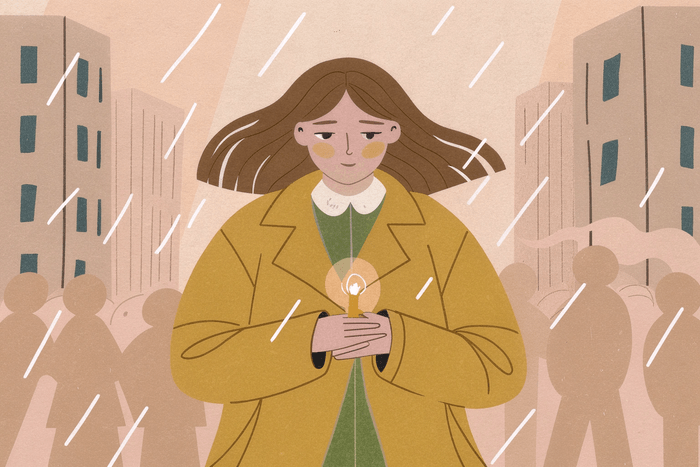
There’s a popular term right now: hangxiety, which describes the awful combination of physical discomfort and emotional regret after drinking. For a younger generation that values self-care and is into fitness, yoga, and meditation, sacrificing the next day’s energy and glowing skin for a few hours of partying simply isn’t worth it. Staying sober and in control of their bodies is the ultimate luxury to them.
2. A shift in social priorities: Deep, meaningful connections matter more than alcohol

In the past, socializing might have meant a wild, alcohol-fueled night out, but to Gen Z, this kind of interaction can feel superficial. Rather than yelling over the noise at a bar, they prefer activities that allow for meaningful conversation.
Young people today are more likely to spend a weekend at a pottery workshop, go camping together, or simply linger at a cafe for an afternoon. It’s hard to have truly meaningful conversations through an alcohol-induced haze. For a sober generation seeking authenticity, clearly remembering every conversation and every smile matters far more than the fleeting intimacy alcohol can bring. This kind of meaningful social experience is gradually replacing alcohol’s central role at gatherings.
3. Value for money: HK$ 150 for one drink? No thanks

It’s a practical concern. Against a backdrop of global inflation and rising living costs, spending HK$ 120 to HK$ 180 on a cocktail made with syrup and alcohol holds far less appeal for many Gen Zers just entering the workforce. They’re savvy consumers who would rather spend their money on travel experiences, high-quality food, or functional health drinks. If an expensive drink only leaves you feeling empty, they’d rather save the money for something with more tangible value.
4. The rise of No-Lo (no- and low-alcohol) drinks: Not drinking can be cool, too

Traditional alcohol brands haven’t simply stood by in the face of this sober wave; they’re actively adapting. In the past, if you didn’t drink, people might ask if you were feeling unwell or think you were spoiling the fun. Now, the market has seen a surge of high-quality No-Lo options, meaning nonalcoholic or low-alcohol drinks.
From 0.0% beer to sophisticated nonalcoholic spirits, these drinks come in stylish packaging and offer layered flavors. Many beer brands have introduced 0.0% versions to attract younger consumers, while many Michelin-starred restaurants now offer tea pairings or juice pairings. This is no longer just about giving up alcohol; it’s a lifestyle shift centered on the freedom to choose. For Gen Z, not drinking doesn’t mean being boring. It means they know how to love themselves better.
Are you ready to join the sober-curious movement, too?
Join POPBEE Circle and subscribe to the POPBEE newsletter for the latest updates, and get early access to exclusive perks and discounts! In addition to this article, here are a few recent stories worth checking out:
- Turns out we’ve been taking time off the wrong way! Taking a day off every six weeks actually makes you happier — try the “43-day rule” to reset your life’s rhythm
- How do you keep a long-term relationship from getting boring? For anyone who feels the spark is fading, here are 5 small daily habits to stay in love
- Just seeing A24 plus Robert Pattinson makes you want to watch! New movie "Primetime" to expose the controversial dark side of the TV industry