New Taipei restaurant mirei 未麗 debuts: a Japanese chef turns water bamboo and Pouchong tea into contemporary East Asian cuisine
“未麗” represents a kind of beauty that’s still in the making!

Summary
・Michelin-starred chef at the helm: New Taipei dining brand mirei 未麗 makes its grand debut, led independently by Japanese chef Kenta Iizuka, formerly of Tokyo Michelin restaurant Crony. He fuses Japan’s delicate sense of seasonality, the precise structure of French cuisine, and Taiwan’s local terroir to develop a distinctive “Contemporary East Asian” style. ・Philosophy behind the name: The two characters of “未麗” carry layered meaning. “未” stands for unlimited potential and constant change, while “麗” represents the pursuit of a sincere, natural, pure kind of beauty. Together they symbolize the chef’s creative state in Taiwan, where he is recalibrating his culinary instincts and evolving with the seasons. ・“Minimalism” with technique hidden behind the ingredients: The chef believes complex techniques should stay in the background so the ingredients themselves can take center stage. The first seasonal menu opens with an oceanic medley of nori, scallops, and caviar, and pairs Yunlin eel with burdock and shiso to transform shared East Asian flavor memories. ・Rooted in Taiwan’s terroir with a tea-infused twist: Puli water bamboo is grilled over charcoal and dusted with shichimi togarashi; the image of sesame cold noodles is reimagined with the briny flavor of fish roe and myoga ginger. For the classic crab rice, Japanese rice and snow crab are used, subtly matched with the floral elegance of Pinglin Wenshan Pouchong tea and Taiwanese peas, weaving together top-quality ingredients from Taiwan and Japan.
Perhaps the appeal of cooking lies in the fact that it is never truly finished. Taipei’s new dining brand, mirei 未麗, has officially opened, led by Japanese chef Kenta Iizuka, who trained at Tokyo’s Michelin-starred Crony. Bringing together Japanese cuisine’s sensitivity to the seasons and the precise structure of modern French cooking, he works with Taiwan’s ingredients and terroir to develop a Contemporary East Asian cuisine rooted in this time and place.
- Related reading: When a French bistro meets local seafood: Babette in Sheung Wan launches a new summer menu featuring classic French flavors
“未麗” does not mean unfinished; it preserves the beauty of continual change.

mirei is written in Chinese as “未麗.” “未” represents possibilities and changes yet to come, while “麗” refers to a sincere, natural beauty that needs no deliberate embellishment. More than the restaurant’s name, it also reflects Kenta Iizuka’s experience of independently building a full menu and culinary language from scratch for the first time.

From his grandfather’s soba shop to the professional kitchen at Tokyo’s Michelin-starred Crony, Kenta Iizuka developed his own standards for detail, precision, and completeness. After arriving in Taiwan, he had to relearn its climate, growing seasons, species, and food culture, recalibrating many of his familiar culinary instincts along the way. This uncertainty is not a shortcoming; it allows mirei to keep taking on new forms as the seasons change and the chef’s understanding of Taiwan deepens.
For the chef, “Simple” means letting technique step behind the ingredients

“If the star is the fish, then fish should be what people remember in the end.” For Kenta Iizuka, Simple has never meant easy. Even when a dish involves elaborate preparation, precise temperature control, and repeated adjustments to its sauces and textures, the technique should remain behind the ingredients once it reaches the table.

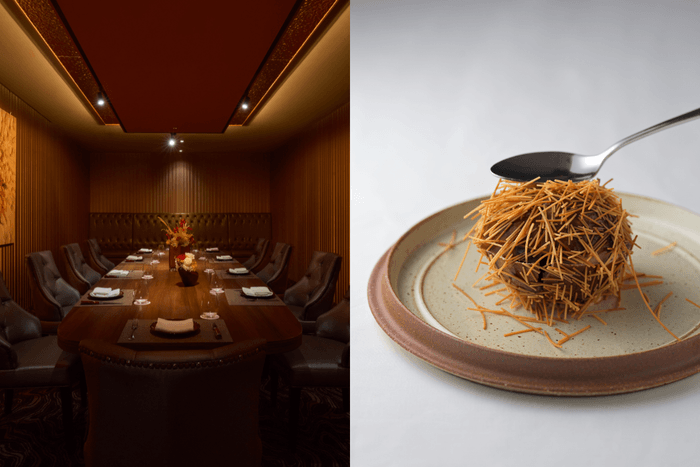
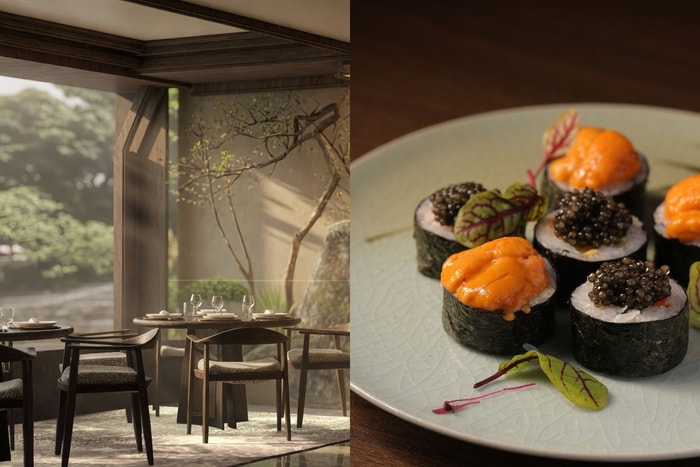
mirei’s first seasonal menu begins with the umami of nori, followed by white trevally, abalone, tilefish, and wagyu, before closing with grapes, peanuts, and petit fours. Nori familiar across Japan, Korea, and Taiwan is paired with scallops and caviar to extend its oceanic notes, while Yunlin eel is combined with burdock and shiso to reinterpret the East Asian flavors the chef remembers. Here, “Contemporary East Asian” does not mean collaging different cultures onto a single plate. Instead, it begins with ingredients and taste memories they share, creating new connections from there.
Water bamboo and Wenshan Pouchong tea enter the dishes as Taiwan’s terroir changes the way the food is made

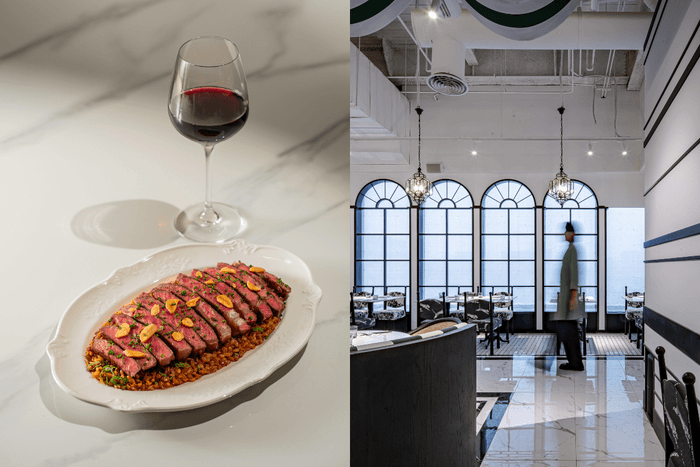
For mirei, Taiwan is more than a place of origin on an ingredient label. It is gradually becoming an important force in changing the chef’s creative approach. A familiar plate of water bamboo with mayonnaise is deconstructed and reimagined as charcoal-grilled Puli water bamboo with chilled butter and house-made shichimi. A bowl of cold noodles with sesame sauce also inspired the chef to begin with sesame’s rich, nutty aroma, adding the briny flavor of fish roe and the spicy fragrance of myoga for greater depth of flavor.
The crab rice on the first seasonal menu also brings Japan and Taiwan together naturally. Japanese rice and snow crab meet Wenshan Pouchong tea from Pinglin and Taiwanese peas, with the tea’s delicate floral aroma and green notes highlighting the sweetness of the rice and crab meat. Japanese Shine Muscat grapes are paired with a small amount of Taiwanese maqaw after the meal, while the peanut dessert features Tainung No. 9 peanuts from Yunlin, allowing flavors from different places to meet naturally throughout the menu.
mirei is not rushing to define “Contemporary East Asian cuisine,” nor is it pursuing a signature dish that never changes. Instead, it hopes that when guests think of a season’s best ingredients, mirei will naturally come to mind, and that they will look forward to what Kenta Iizuka sees in Taiwan’s terroir next season.
Join Popbee Circle and subscribe to the Popbee newsletter for the latest updates, and be among the first to learn about exclusive perks and discounts. Beyond this article, these recent stories are also worth your attention:
- Like Walking Into an Old French-Vietnamese Movie: Maison Viet Brings French-Vietnamese Romance to Taipei, Turning Even a Vietnamese Meal Into a Date
- Another Taipei date-night restaurant: 220-ping AURA Bar & Grill, where you have to crack open the “coffee bomb” before you can eat it
- Desserts really float on water! Shibuya’s RURU turns the entire table into a flowing Japanese garden