When design stops chasing the future: Copenhagen’s 3daysofdesign gently brings us back to the present

What people long for is no longer just objects, but the deeper meaning they can bring

Art and Culture
Text By
/
2
0 Comments  Save

Key takeaways

  • 3daysofdesign’s 2026 theme, “Make This Moment Matter,” shifts the focus from the future back to the present.
  • Beyond eco-friendly materials, this year’s focus is on design for disassembly, bio-based materials, and reworking existing pieces, showing how circular design can be applied.
  • Fashion-forward furniture brands are collaborating with contemporary artists to bring design into everyday life through immersive exhibition installations.

Every June, Copenhagen becomes one of the global design world’s most watched cities. Compared with the grandeur and commercial scale of Milan Design Week, Denmark’s annual 3daysofdesign has always maintained a distinctly Nordic character, one that feels closer to everyday life and places greater emphasis on the relationship between people and space.

While the global design industry continues to chase the next breakout trend, the 13th edition of 3daysofdesign in 2026 has chosen to turn its attention back to the present. With “Make This Moment Matter” as its annual theme, it invites brands and creators from around the world to reconsider: in an age of information overload and rapid consumption, what truly meaningful value can design leave behind for people?

The next step in sustainable design

2026 哥本哈根 3daysofdesign 趨勢解析:永續設計與跨界合作成焦點

Images from ig / @3daysofdesign

When it comes to sustainable design, the terms most familiar to the public have perhaps been recycled plastic, reclaimed wood, and low-carbon production. At this year’s fair, though, the discussion around sustainability has expanded to the product life cycle itself.

A growing number of brands are putting the concept of “Design for Disassembly” into practice, considering future repair, replacement, and recycling from the earliest stages of product development. With modular structures and removable parts, furniture is no longer a disposable item that can only be thrown away after years of use, but something that can be continually repaired and passed down through generations. Rather than constantly launching new products, extending a product’s lifespan and reducing resource waste are gradually becoming designers’ primary concerns.

A testing ground for the future: a materials revolution from seaweed to mycelium

2026 Copenhagen 3daysofdesign trend analysis: sustainability and cross-disciplinary collaborations take center stage

Images from ig / @3daysofdesign

Alongside shifts in design thinking, material innovation remains a major focus this year. Across several material-research exhibition areas, new alternative materials made from seaweed, mycelium, and agricultural waste are widely used in furniture, lighting, and spatial installations.

These emerging materials, known as “bio-based materials,” could reduce reliance on petroleum-based plastics while challenging the old emphasis on high performance and standardized industrial production. They also prompt designers to rethink the symbiotic relationship between objects and nature.

Cross-disciplinary collisions that blur boundaries

2026 哥本哈根 3daysofdesign 趨勢解析:永續設計與跨界合作成焦點

Images from ig / @3daysofdesign

Beyond environmental issues, one of this year’s most compelling sights is the continued rise of cross-disciplinary collaborations.

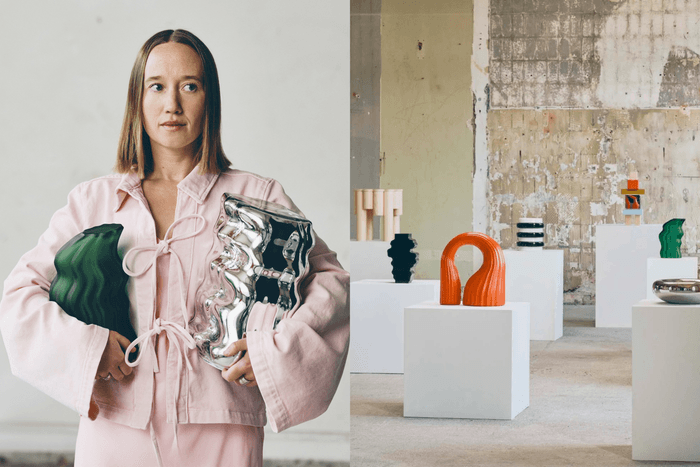
In recent years, design brands have moved beyond traditional product displays, joining forces with artists, fashion brands, and creative teams to create immersive exhibition experiences. Copenhagen’s streets this year are filled with exhibitions that combine art installations, sound design, and spatial storytelling, making furniture and lighting part of the narrative. These cross-disciplinary collaborations bring strong visual impact, reflect the changing role of contemporary design, and create new ways for the public to see and imagine everyday life.

What we need are reasons worth keeping

2026 哥本哈根 3daysofdesign 趨勢解析:永續設計與跨界合作成焦點

Images from ig / @3daysofdesign

Compared with other design fairs that emphasize market scale, 3daysofdesign has always retained a distinctly Nordic rhythm and deep reflection.

This year’s exhibitions make it clear that the global design community is gradually shifting from “creating more products” to “creating more value.” Whether through furniture designed for disassembly, experiments with bio-based materials, or increasingly close collaboration between art and design, all point to the same goal: what truly matters in design may not be how many new things it creates, but how it allows what already exists to be used longer and more meaningfully.

In an age full of choices and temptations to consume, the 2026 edition of 3daysofdesign gently reminds us that what the world needs may not be the next new product, but more reasons to keep what we already have.

Join Popbee Circle and subscribe to the Popbee newsletter for the latest updates, and get early access to exclusive perks and discounts. Beyond this article, here are a few recent stories worth checking out:

This article has been automatically translated from Chinese.

Read Next