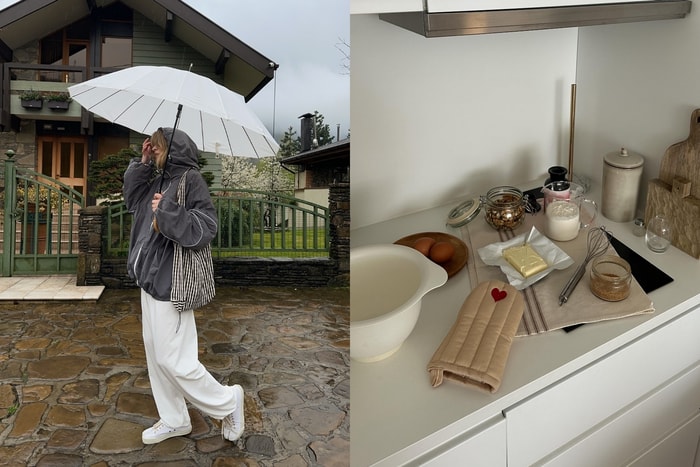
When the weather turns cold, do you just want to curl up in bed? It’s not because you’re lazy, it’s seasonal depression at work
Since the sunshine’s taking a day off, let’s be a little gentler with ourselves~

Summary
- Shorter daylight hours in fall and winter can affect the balance of serotonin and melatonin, leading to low mood and fatigue.
- Besides feeling down, you may also notice changes in appetite (especially craving sugar or carbs), sleepiness, and trouble concentrating.
- Schedule 15–30 minutes of morning light outdoors every day, do some gentle low‑intensity exercise, and build small daily rituals.
- Remind yourself this is a normal physical response to environmental changes, and you don’t need to force yourself to stay at full energy when there’s less light.
Every fall, when the weather turns cooler, do you find yourself feeling especially tired? Maybe you can’t get out from under the covers in the morning, struggle to focus at work, or crave cookies, bread, and sweets more than usual. Before blaming yourself for being lazy or lacking self-discipline, know that this may not simply be a matter of being in a slump. Your body may be experiencing Seasonal Affective Disorder (SAD).
Why does your mood seem to “cool down” with the arrival of fall and winter?
View this post on Instagram
Seasonal Affective Disorder is a mood condition closely tied to seasonal changes, most commonly occurring in fall and winter as daylight hours gradually grow shorter. When we get less natural sunlight, serotonin production in the brain, which helps convey feelings of pleasure, decreases as well. At the same time, the timing of melatonin, which regulates sleep, may also be disrupted.
In other words, feeling unmotivated or emotionally weighed down is essentially the body’s natural response to changes in ambient light. Just as plants slow their growth in winter, our bodies are adapting to the season in their own way.
4 ways to support your mood through fall and winter
View this post on Instagram
Now that you know this is a natural signal from your body, there’s no need to force yourself to operate at peak efficiency all the time. Try these gentle lifestyle adjustments to help yourself get through this period steadily:
1. Make the most of morning sunlight: When you wake up, try opening the curtains to let sunlight into the room, or set aside 15 to 30 minutes for a walk outdoors in the morning or during your lunch break. Natural light is one of the most effective ways to reset your body clock and promote serotonin production.
2. Choose gentle, low-intensity exercise: When your energy is low, there’s no need to push yourself through high-intensity workouts. Try stretching, yoga, brisk walking, or a light walk instead. Simply getting your body moving a little can promote endorphin release and improve your overall sense of comfort.
3. Create warm daily rituals: Add small details to your daily routine that bring a sense of security, such as making a cup of hot tea, lighting a scented candle you love, or putting a soft, fluffy duvet cover on your bed. Adjusting your evening routine and sleep environment can also help improve sleep quality.
4. Allow yourself to run on “low battery”: Most importantly, accept where you are. You don’t need to expect the same level of productivity you have in summer during seasons with less daylight. Learning to pause and rest when you need to is, in itself, a thoughtful form of self-care.
Moving with the seasons is a natural rhythm of life. If a low mood lasts too long and seriously affects your work and daily life, seeking professional counseling or medical help can also be a gentle, responsible way to care for yourself.
Join POPBEE Circle and subscribe to the POPBEE newsletter for the latest updates, and be among the first to learn about exclusive perks and discounts. Beyond this article, here are a few recent stories worth checking out:
- Virginie Viard After Leaving Chanel: When a Company No Longer Needs You, What Do We Have Left Besides Work?
- Accepting the Natural Fading of Relationships: Learn the "Campfire Theory"—Adult Drifting is Actually a Gentle Sifting Process
- Over-cherishing is actually another kind of waste! Don’t let the things you love expire in the cabinet, let them take part in your life